From Bayou Rituals to Pacific Coast Habits: How Where You Live Shapes What You Believe About Luck
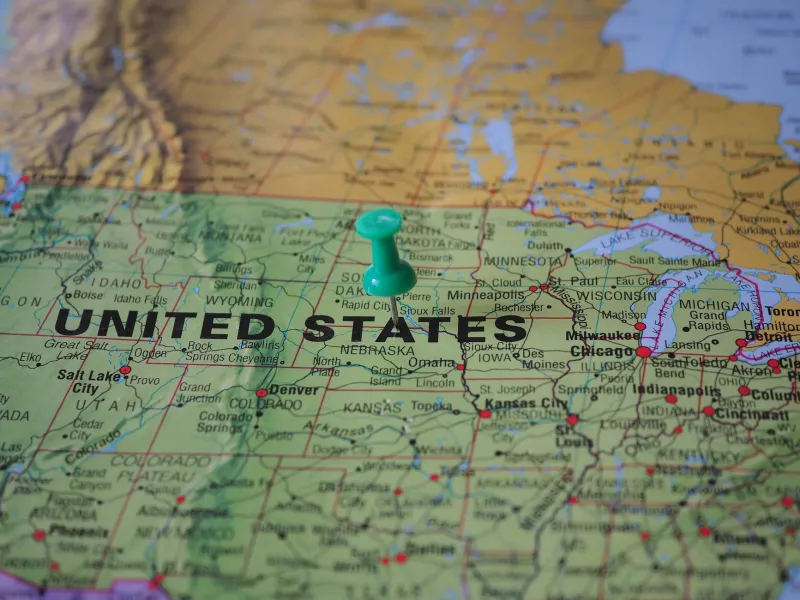
Ask a player in New Orleans what they do before a big gaming session, and you might hear about a small prayer, a specific piece of jewelry passed down from a grandparent, or a ritual involving a particular color of candle. Ask someone in Portland, Oregon the same question, and you're more likely to get a shrug and a comment about probability. Same game, same stakes — completely different mental frameworks.
That gap isn't random. It's geography, history, and culture doing exactly what they've always done: shaping the way people understand the world around them, including the unpredictable world of chance.
The South's Deep Relationship With Fortune and Fate
Few regions of the country have as layered a relationship with luck as the American South. New Orleans, in particular, sits at the crossroads of West African spiritual traditions, French Creole culture, and Catholic folk practice — and that blend has produced one of the richest luck mythologies in the country.
Hoodoo and Voodoo traditions, which have been practiced in Louisiana for centuries, include specific rituals designed to attract fortune and ward off bad luck. Lucky Mojo sachets, specific herbs, and charms tied to gambling have been part of Southern folk culture long before online gaming existed. Players in this region often carry those beliefs into their gaming lives without even thinking of them as superstitions — they're just what you do.
The broader South also leans heavily on faith and fate. The idea that a win is "meant to be" or that God or the universe is involved in outcomes is far more common in Bible Belt states than on the coasts. That spiritual framing changes how players interpret near-misses, losing streaks, and big wins in ways that genuinely affect how they play.
Immigrant Communities and the Lucky Numbers Effect
Certain states — California, New York, Texas, Florida — have large and long-established immigrant communities, and those communities bring their own luck traditions with them. The result is a fascinating patchwork of beliefs that get absorbed into the broader local gaming culture over time.
In California, particularly in the Bay Area and Los Angeles, Chinese-American cultural influence has made the number 8 widely understood as lucky (it sounds like the word for prosperity in Mandarin) and the number 4 widely avoided (it sounds like the word for death). These aren't fringe beliefs among recent immigrants — they've seeped into mainstream California culture to the point where real estate listings, phone numbers, and yes, gaming choices are influenced by them.
In South Florida, Cuban and Caribbean cultural traditions around luck, including specific saints associated with fortune and particular days of the week considered auspicious for games of chance, shape how a significant portion of the gaming population approaches their sessions. In parts of Texas with large Vietnamese-American communities, similar numerology and color-based luck traditions are very much alive.
The Midwest: Practical Luck and the Underdog Mindset
If the South is mystical about luck and the coasts are culturally diverse in their superstitions, the Midwest tends to be... pragmatically optimistic. The dominant cultural narrative here is the underdog who grinds it out — the working-class person who finally catches a break. Lucky rituals in Midwestern gaming culture tend to be less ceremonial and more habitual: always playing at the same time of day, sticking with a specific game because "that's the one that hit for me," or wearing a particular hat or shirt that was on when something good happened.
These habits are still superstitions, technically, but they don't get framed that way. They get framed as strategy or routine — which says a lot about regional attitudes toward fate versus effort.
Celebrity Wins and Local Legends
One underappreciated factor in regional gaming superstitions is the outsized influence of local big winners. When someone from a small town in Ohio wins a massive jackpot, that story circulates for years. It becomes local legend. And it subtly shapes how people in that community think about their own odds — suddenly, luck feels more proximate, more real, more possible.
This "local hero" effect means that states with higher-profile public winners tend to have more active gaming communities with stronger shared rituals. The story gets retold, details get added, and eventually the specific numbers that person played, the day they played, or even the gas station where they bought their ticket becomes part of local luck mythology.
The Pacific Northwest: Skeptical Players, Subtle Rituals
The Pacific Northwest has a reputation for skepticism toward anything that smells like magical thinking, and gaming culture there reflects that. Players in Seattle or Portland are more likely to describe their gaming habits in terms of entertainment value and responsible spending than lucky charms and fate.
But here's the thing: even the most self-described rational player tends to have something — a favorite game they always start with, a time of day they prefer, a sense that certain sessions just "feel right." The superstitions are still there. They're just not called that.
What This Means for How You Play
Understanding where your own luck beliefs come from can actually make you a more self-aware player. If you grew up in a culture with strong folk traditions around fortune, those beliefs are part of your relationship with games of chance — and that's not a bad thing. Ritual and meaning can make gaming more enjoyable and more intentional.
The key is knowing the difference between a ritual that adds fun and meaning to your session versus one that's driving decisions that don't actually serve you. Your lucky charm can absolutely come along for the ride at Loto188 Games. Just make sure it's riding shotgun — not driving.
America's luck mythology is one of the most diverse and genuinely fascinating aspects of gaming culture. And the next time you wonder why you always play your grandmother's birthday numbers, or why you won't start a session on a Tuesday, you can thank your regional heritage for that — it's been working on you longer than you know.